Abstract Watercolor Background 40: A Designer Review
As a designer who has spent years curating machine embroidery designs for both personal projects and client work, I approach every new file with a mix of excitement and skepticism. The market is flooded with generic patterns, so finding a truly versatile asset requires a keen eye. Recently, I tested Abstract Watercolor Background 40, a digital file categorized under Backgrounds, to see if it holds up under the pressure of real-world production. My goal was not just to stitch it out, but to evaluate its potential as a core element in a craft business or a high-end personalized gift.
First Impressions: Mood and Visual Personality
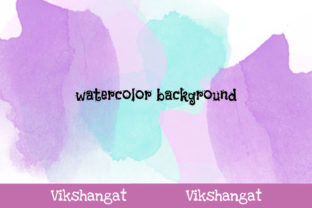
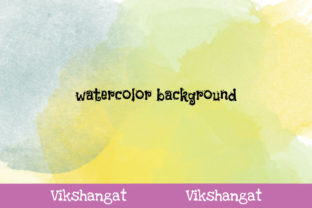
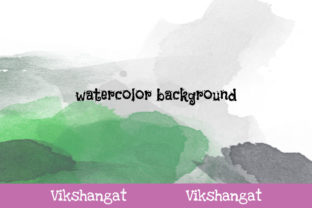
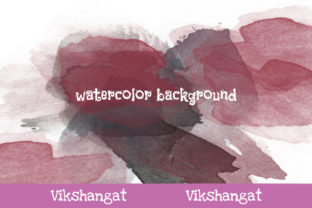
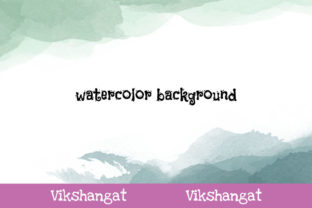
When I first loaded Abstract Watercolor Background 40 into my digitizing software, the immediate impression was one of fluidity. Unlike rigid geometric patterns that can feel cold on fabric, this design mimics the organic flow of actual watercolor paint. The layout features soft, overlapping shapes that suggest depth without overwhelming the eye. For an embroidery project, this is crucial. Too much detail often results in muddy stitching, but this file strikes a balance between artistic flair and technical feasibility.
The visual personality of this background is modern yet timeless. It feels at home in a nursery setting, a boutique apparel line, or even as a subtle accent on a wedding guest towel. The way the shapes blend suggests movement, which translates surprisingly well into thread. When you are looking for a machine embroidery design that adds texture without dominating the main focal point, this file delivers exactly that mood.
Real-World Application: From Hoop to Finished Product
To truly understand the value of Abstract Watercolor Background 40, I imagined a specific scenario: creating a collection of custom embroidered tote bags for a local Etsy seller. Tote bags are a staple for small shop products, but they often suffer from boring, flat designs. I envisioned using this background as a base layer behind a simple monogram or a seasonal motif.
In this context, the design shines. The soft edges of the watercolor effect soften the transition between the fabric and the thread, making the tote bag design look less like a stamped logo and more like a piece of art. I also considered how this would perform on sweatshirt embroidery. Placing this background on the back yoke of a heavy cotton sweatshirt could create a premium, boutique feel that elevates a basic garment into a high-value item. Customers buying handmade products often look for that "designed" look rather than a standard clip-art application, and this file provides that professional edge.
Beyond apparel, I saw potential for holiday embroidery. Imagine a set of kitchen towels where this abstract pattern serves as the backdrop for a holiday word or icon. The versatility allows the same background to be used year-round, simply by changing the foreground elements. This adaptability is a massive asset for a craft business owner trying to maximize their inventory while minimizing the number of unique files they need to purchase.
Navigating Technical Challenges and Fabric Choices
While the aesthetic appeal is strong, practical application requires careful planning. As with any complex embroidery file, there are scenarios where Abstract Watercolor Background 40 needs to be handled with care. One major consideration is fabric texture. On a smooth cotton poplin, the fill stitch will lay flat and crisp. However, on a textured linen or a thick fleece, the intricate details might get lost in the weave. If you are working with textured fabrics, you may need to adjust the stitch density to ensure the design remains visible.
Fabric color is another critical factor. This design relies heavily on contrast. Using it on a dark fabric with dark thread will render the watercolor effect invisible. Conversely, using it on a white background with pastel threads might lack the punch needed for a commercial product. Always test your thread colors against the intended fabric before committing to a full run. I recommend creating a few swatches to see how the light hits the stitches, as this affects the perceived depth of the watercolor look.
Furthermore, be cautious with small hoop sizes. While the design is scalable, shrinking it too much can cause the delicate curves to become jagged or cause thread bunching. Similarly, avoid placing this on highly stretchy fabrics like jersey knit without a heavy-duty stabilizer. The tension required to stitch the dense areas of the background could distort the fabric, ruining the drape of your finished product.
Practical Notes for the Professional Maker
- Test on Scrap First: Never skip the test stitch. Run Abstract Watercolor Background 40 on a scrap piece of your actual fabric to check for puckering or registration issues.
- Check Stitch Density: If the design looks too dense for your fabric, use your software to reduce the density slightly. This prevents stiffness in items like baby embroidery or lightweight scarves.
- Stabilizer is Key: For curved surfaces like caps or layered garments, use a tear-away or cut-away stabilizer appropriate for the weight of the fabric to support the background fill.
- Licensing Check: Before selling items featuring this design, confirm the licensing terms. Ensure you have the right to sell finished goods or digital mockups if you plan to offer them as part of your digital product sellers portfolio.
- Mockup Verification: Create black and white mockups to verify the contrast levels before purchasing expensive thread.
Impact on Brand Value and Customer Trust
Using a high-quality background like Abstract Watercolor Background 40 directly influences how customers perceive your brand. In the world of handmade goods, presentation is everything. A poorly stitched, blurry background can make a product look amateurish, eroding customer trust. However, a clean, well-executed abstract pattern signals attention to detail and professionalism.
For an Etsy seller or a boutique owner, this design asset helps create a cohesive look across different product lines. Whether it's an embroidered patch for a denim jacket or a decorative element on a pillow cover, consistency builds recognition. When a customer sees your unique style applied consistently, they are more likely to return for future purchases. This design adds a layer of sophistication that separates mass-produced items from curated, artisanal pieces.
Final Verdict for Your Next Project
Abstract Watercolor Background 40 is more than just a decorative file; it is a strategic tool for designers and makers. Its ability to enhance custom apparel, elevate personalized gifts, and add depth to commercial embroidery projects makes it a valuable addition to any library. However, its success depends on your execution. By respecting the technical requirements of the fabric, choosing the right stabilizer, and testing your color combinations, you can transform this digital file into a stunning physical reality.
If you are looking to expand your catalog with designs that offer both artistic merit and commercial viability, this background deserves a spot in your workflow. Just remember to review the specific hoop size recommendations and license terms provided with the download. With the right preparation, Abstract Watercolor Background 40 can be the secret ingredient that turns a good embroidery project into a great one.