Evaluating Canvas Frame Mockup 2 for Modern Branding and Creative Projects
First Impressions: A Versatile Canvas for Visual Storytelling
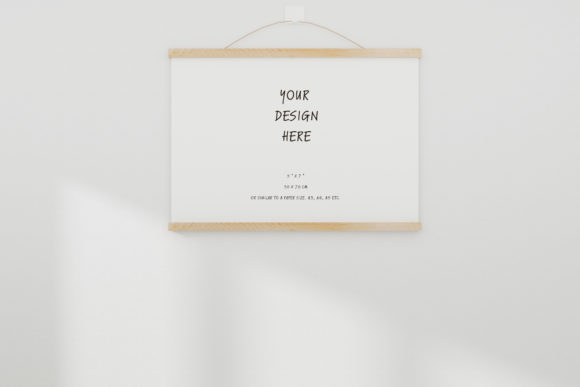
As a designer working across branding, packaging, and digital assets, the first thing that stands out about Canvas Frame Mockup 2 is its clean, textured aesthetic. It offers a subtle nod to artisanal craftsmanship while maintaining a modern, adaptable frame structure. The mockup feels like a natural extension of the Canvas Amp product line—designed with creative professionals in mind who need flexibility without sacrificing visual depth.
From a branding perspective, this mockup works particularly well for small businesses, handmade brands, and boutique product lines that want to convey authenticity and warmth. The frame texture and shadow depth add a tactile quality that translates well across both digital and print-on-demand platforms.
Real-World Application: From Logo Design to Product Packaging
In a recent client project for a local artisan candle brand, I needed to develop a visual identity that felt grounded in nature yet modern enough for retail packaging and Instagram presence. Canvas Frame Mockup 2 became a key element in the concept mockups. I used it as a base for product packaging visuals, allowing the client to see how their label design would appear on a textured surface that mimics real canvas material.
- Logo design: Great for presenting logos on textured backgrounds without overpowering the mark.
- Packaging design: Works beautifully for mockups of product boxes, sticker labels, and custom tags.
- Marketing visuals: Ideal for social media posts and Canva templates where a handcrafted feel is desired.
- Printable designs: Perfect for Etsy sellers creating wall art or printable decor items.
Where Canvas Frame Mockup 2 Excels Visually
This design asset shines in projects where texture and depth are needed to elevate the overall visual tone. It's especially effective when used in:
- Hero graphics: Adds dimension to landing pages and campaign visuals.
- Product mockups: Simulates real-world canvas prints, wall art, or framed merchandise.
- Themed collections: Works well for seasonal campaigns or curated product lines.
- Editorial design: Enhances blog headers, Pinterest pins, and branded digital content.
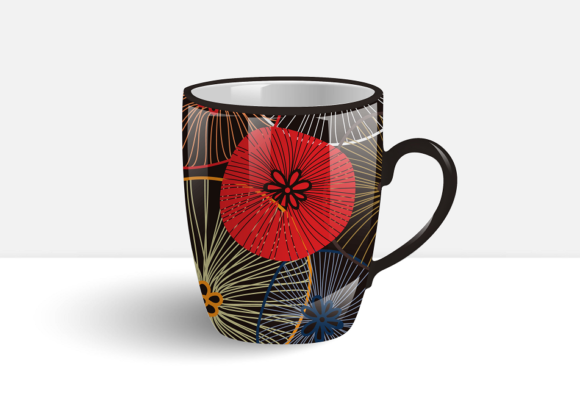
When layered with a soft watermark or used as a background for a Cricut project, the mockup gives a subtle but noticeable artisanal touch. It’s also a solid option for t-shirt design mockups and mug templates where a canvas-like fabric or surface is implied.
Use with Caution: Situations That May Limit Its Impact
While Canvas Frame Mockup 2 brings a lot to the table, there are scenarios where it should be used thoughtfully:
- Small sizes: The texture can get lost or pixelated in thumbnails or mobile previews.
- Crowded layouts: Overuse can muddy the visual hierarchy, especially when layered with multiple elements.
- Minimalist branding: May clash with ultra-clean, modern design systems that rely on flat visuals.
- Corporate materials: Better suited for creative or lifestyle brands than formal business presentations.
I found that when used in a complex background or alongside other textured assets, the frame effect can become visually overwhelming. It’s best when used as a supporting element rather than the focal point.
Impact on Brand Consistency and Audience Engagement
One of the more subtle but important benefits of using Canvas Frame Mockup 2 is how it contributes to brand consistency. When used across multiple touchpoints—like packaging, digital ads, and social media posts—it creates a unified visual language. The frame’s texture helps establish a tactile memory for the audience, reinforcing brand recognition over time.
From a design psychology standpoint, the mockup evokes a sense of craftsmanship and sincerity. This emotional appeal can be powerful for brands looking to build trust with their audience. Whether it's used in a logo concept or a product mockup for an Etsy shop, it helps the design feel more intentional and professionally executed.
Designer Notes: Practical Checks Before Use
Before incorporating Canvas Frame Mockup 2 into a client project, I recommend the following practical checks:
- Test in black and white: See how the texture holds up without color influence.
- Check contrast: Preview on both light and dark backgrounds for visibility.
- Preview at different sizes: Ensure clarity at small and large scales.
- Place on real mockups: Test with actual product templates like t-shirts or mugs.
- Test print quality: If used for print-on-demand, always request a sample print.
- Review file formats: Confirm availability of SVG, PNG, and vector files for flexibility.
- Inspect PNG transparency: Ensure it blends well with layered designs in tools like Photoshop or Canva.
- Compare with fonts: Try it with serif, sans-serif, script, and display fonts to gauge compatibility.
- Confirm licensing: Make sure it includes a commercial license for client or business use.
These checks are especially important when working with a design bundle or digital product intended for resale or commercial use. Always verify that the graphic design asset is fully editable and compliant with platforms like Etsy or print-on-demand services.
Final Thoughts: A Valuable Addition to a Designer’s Toolkit
Canvas Frame Mockup 2 is more than just a pretty frame—it’s a functional, mood-setting tool that bridges the gap between digital design and tactile experience. Whether you're a content creator, Cricut user, printable designer, or small business branding expert, this asset can elevate your visual output with minimal effort.
For designers working across brand identity, marketing visuals, and product mockups, this mockup offers a reliable way to add depth and warmth. Just remember to test thoroughly, use it with intention, and always align it with the brand’s visual tone. When done right, Canvas Frame Mockup 2 becomes more than a design element—it becomes part of the brand story.