Soft Gray Watercolor Digital Papers & Backgrounds
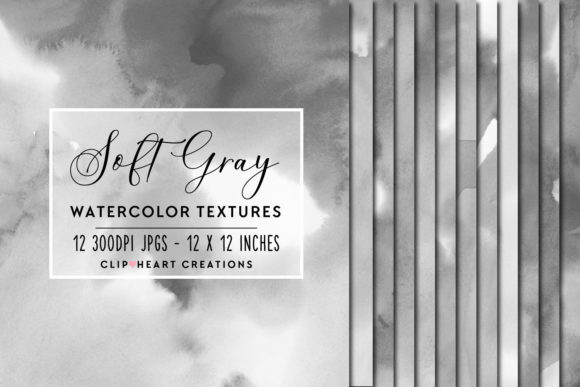
As a seasoned crafter who has spent years navigating the bustling lanes of craft fairs and the digital corridors of Etsy, I know that the foundation of any successful handmade product lies in its visual appeal. When I first opened the file for Soft Gray Watercolor Digital Papers, I wasn't just looking at a collection of images; I was evaluating a potential new cornerstone for my seasonal collections. The immediate impression is one of quiet elegance and sophisticated calm. Unlike the chaotic vibrancy often found in trending design assets, these papers offer a muted, airy aesthetic that feels both modern and timeless. They suggest a style that is feminine yet neutral, perfect for the customer seeking something understated but premium.
In my recent workflow, I was preparing a batch of custom sublimation mugs and tote bags for an upcoming spring market. The challenge was to create products that felt cohesive without overwhelming the buyer with too much color. This is where Soft Gray Watercolor Digital Papers truly shined. The texture mimics the organic flow of real watercolor paint, providing depth that flat colors simply cannot achieve. For a handmade business, this texture adds a layer of authenticity that customers can feel, even when viewing a digital mockup. It bridges the gap between mass-produced print-on-demand items and truly artisanal goods.
Bringing Texture to Cricut and Silhouette Projects
One of the most common questions I get from fellow makers is how to integrate digital papers into vinyl cutting projects. While we often think of SVG designs as solid shapes, using these Backgrounds as a base layer can transform a simple sticker design or t-shirt graphic into a piece of art. When working on a Cricut project or a Silhouette project, I recommend using these soft gray tones as a backdrop for intricate clipart or illustrations.
For instance, when designing a set of planner stickers, I layered a delicate floral illustration over a sheet from the Soft Gray Watercolor Digital Papers collection. The result was a sticker that looked hand-painted rather than digitally generated. This technique works exceptionally well for creating sticker design bundles that stand out in a saturated creative marketplace. However, it is crucial to remember that while the visual effect is stunning, the physical application requires care. If you are cutting vinyl, ensure your lines are clean and thick enough to handle the transfer tape. These papers are best used as printed backgrounds on cardstock or as sublimation transfers rather than as cut-out vinyl pieces themselves, unless you are masking them carefully.
Ideal Applications for Handmade Sellers and Small Businesses
The versatility of this graphic design asset extends far beyond paper crafts. In my experience running a small handmade business, I have utilized similar textures for everything from tumbler wraps to gift tags. The soft gray palette is particularly forgiving, making it an excellent choice for mug design where lighting can sometimes wash out darker colors. On white ceramic, the watercolor effect pops beautifully, giving the product a high-end, boutique feel that justifies a higher price point.
For those focusing on printable design products, such as wall art or journal inserts, these papers provide an instant cohesive look. I recently created a series of digital product planners where the background pages were sourced from this collection. The subtle variations in the gray tones prevented the pages from feeling repetitive, a common pitfall in printable bundles. Furthermore, for small business branding, using these textures on packaging, thank-you cards, and invoice headers creates a unified brand identity. It signals to the customer that attention to detail is a priority, which is essential for building trust in the early stages of an Etsy product launch.
Technical Considerations for Professional Results
While the aesthetic value is high, practical application requires a keen eye for technical details. Before committing to a full production run, always test the file. Check if the resolution is sufficient for large format printing, especially if you plan to use it for sublimation design on larger surfaces like pillows or canvas. Low-resolution files can appear pixelated once enlarged, ruining the illusion of a real watercolor painting.
When working with PNG design files, preview the transparency to ensure there are no jagged edges around the watercolor blooms. For SVG design users who might be tracing these patterns for cutting machines, verify that the vector paths are clean and do not contain unnecessary anchor points that could cause the machine to stall. Additionally, consider the contrast. Because these are soft grays, they may struggle against dark-colored products. Always place your design on real product mockups to see how it interacts with different materials. A design that looks beautiful on a white screen might disappear on a charcoal gray tote bag.
Where to Use Caution: Limitations of Soft Textures
Not every crafting scenario calls for a watercolor background. There are specific situations where Soft Gray Watercolor Digital Papers should be used with caution. Avoid using these textures for very small cutting details or thin lines where readability is paramount. The organic nature of the watercolor can blur fine details, making text hard to read on small labels or tiny gift tags.
Similarly, crowded compositions can become muddy when overlaid with a textured background. If your design already features many elements, adding a busy watercolor pattern might overwhelm the viewer. It is also less effective for layered vinyl projects where distinct separation between layers is required. In these cases, a solid color or a simpler geometric pattern might serve the project better. Always simplify the layout if needed to ensure the final product remains legible and visually appealing.
Final Thoughts for Creative Entrepreneurs
Ultimately, Soft Gray Watercolor Digital Papers is a powerful tool for the modern crafter. It offers a way to elevate standard DIY projects into professional-grade offerings without the need for expensive photography or advanced painting skills. Whether you are creating a design bundle for sale, preparing inventory for a craft fair, or fulfilling a custom customer order, these assets provide a reliable foundation.
Just remember to confirm the commercial license before using them for any handmade business products intended for resale. Once you have verified the licensing terms, pair these papers with elegant serif fonts or flowing script styles to maximize their impact. By understanding both the strengths and limitations of this design asset, you can create unique, high-quality products that resonate with buyers looking for that perfect blend of rustic charm and modern sophistication. Happy crafting!