Watercolor Background and Banner Design for Creative Sellers
As a digital product creator with years of experience building and refining Etsy and Canva template shops, I’m always on the lookout for design assets that offer both visual appeal and commercial versatility. Recently, I came across the Watercolor Background and Banner Design pack and decided to put it through its paces before listing any new products. Here’s my honest, business-focused review of how this asset holds up in real-world creative selling scenarios.
First Impressions: Soft, Versatile, and Niche-Friendly
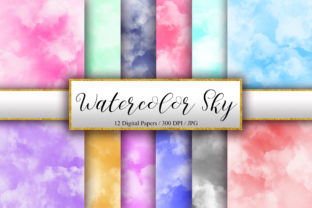
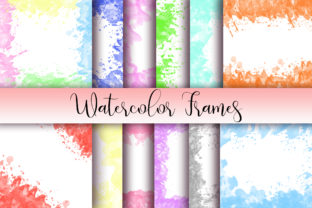
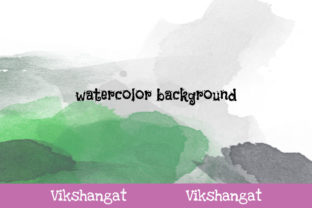
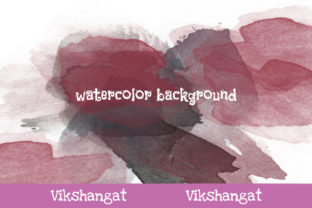
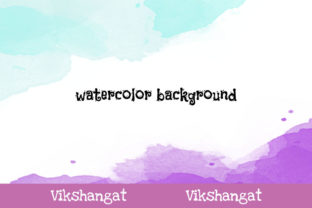
The first thing I noticed about the Watercolor Background and Banner Design was its soft, organic texture and gentle color blending. It immediately struck me as a great fit for brands or products aiming for a handmade, artistic, or slightly whimsical feel. The backgrounds aren't too busy, which makes them ideal for sellers who want to maintain a clean, yet expressive visual identity.
This design set feels especially suited for feminine, botanical, or nature-inspired niches—think wedding planners, stationery designers, lifestyle bloggers, and small business owners offering wellness or self-care products. It leans more toward elegant and expressive than bold or minimalist, so it may not be the best fit for ultra-modern or tech-focused brands.
Product Testing: Real-World Use Cases
I tested the Watercolor Background and Banner Design across a variety of product formats to see where it truly shines:
- Printable wall art – Works beautifully for quote prints and botanical illustrations. The watercolor texture adds depth without overpowering the message.
- Greeting cards and invitations – The softness of the design complements hand-lettered fonts and delicate illustrations, making it ideal for bridal showers, baby showers, and birthday cards.
- Canva templates – I embedded the banner design into a social media template set and noticed it gave a cohesive, branded feel across multiple posts.
- SVG and PNG clipart bundles – I layered the banner design with other floral clipart and found it blended well without clashing, making it a strong addition to seasonal bundles.
- Product mockups – When used as a background for t-shirt and mug mockups, the watercolor style gave a premium, artisanal touch that boosted perceived value.
Overall, the design held up well across formats, especially when used as a background or framing element rather than a focal point. It's subtle enough to support other design elements without competing with them.
Where It Excels: Visual Presentation and Branding
One of the biggest challenges for creative sellers is maintaining a consistent and professional look across multiple product types. The Watercolor Background and Banner Design helps with that by offering a unified visual language. Here’s how it supports product presentation:
- Mockup previews – Adds a polished, branded backdrop to digital and physical product mockups.
- Thumbnail appeal – On Etsy and Creative Fabrica, thumbnails with soft watercolor tones stood out more in search results than overly bright or geometric designs.
- Listing images – Used as a background for layered product photos, it enhanced the overall aesthetic and made listings feel more cohesive.
- Seasonal collections – I found it particularly effective for spring and summer product lines, but with color adjustments, it can work year-round.
If you're building a brand that leans into natural, organic, or artistic themes, this design set can become a foundational part of your visual storytelling toolkit.
Where to Use It Carefully
While the Watercolor Background and Banner Design offers a lot, it’s not a one-size-fits-all solution. There are a few use cases where caution is advised:
- Small sticker details – The texture can get lost in tiny Cricut or Silhouette stickers, especially if printed at low resolution.
- Text-heavy templates – When layered behind text, the watercolor patterns can reduce readability, especially if the contrast is low.
- Dark backgrounds – Some of the lighter watercolor elements don’t show up well on black or dark-colored mockups without adjustments.
- Complex layouts – In layouts already packed with graphics, the background can feel cluttered rather than complementary.
Always preview the design in context before publishing your product listings. This is especially important if you're bundling it with other graphic design assets.
Practical Seller Notes Before Listing
If you're considering using the Watercolor Background and Banner Design in your digital product line, here are a few practical steps to take before publishing:
- Test on real mockups – Use it in a t-shirt, mug, or Canva template preview to see how it translates to the final product.
- Preview as a thumbnail – Zoom out to thumbnail size and check if the design still looks clear and attractive.
- Check white and dark backgrounds – Confirm how the design looks in both light and dark themes, especially for digital downloads.
- Verify PNG transparency – If the design includes transparent elements, test them in design software like Photoshop or Canva.
- Inspect SVG cut quality – For Cricut users, ensure the SVG files are clean and cut-ready without unnecessary anchor points.
- Confirm commercial licensing – Always double-check that the asset includes a commercial license for resale or use in commercial design bundles.
Also, consider pairing the design with fonts that complement its style—think script fonts for elegance, or sans-serif fonts for a modern twist. Proper file organization is key for customers, so make sure each file is clearly labeled and grouped by format (e.g., PNG, SVG, JPEG).
Final Thoughts: A Solid Investment for Niche Sellers
For Etsy sellers, Canva template creators, and print-on-demand entrepreneurs targeting a soft, expressive aesthetic, the Watercolor Background and Banner Design is a worthwhile addition to your design toolkit. It supports a professional look across multiple product types and helps maintain brand consistency without overwhelming the buyer’s visual experience.
Before launching any new product that uses this asset, take the time to test it in real scenarios—mockups, thumbnails, and print samples. With the right application, this design can elevate your digital product line and help your shop stand out in competitive creative marketplaces.