Watercolor Coconut Fruit Digital Papers
First Impressions: A Tropical Mood with Artistic Flair
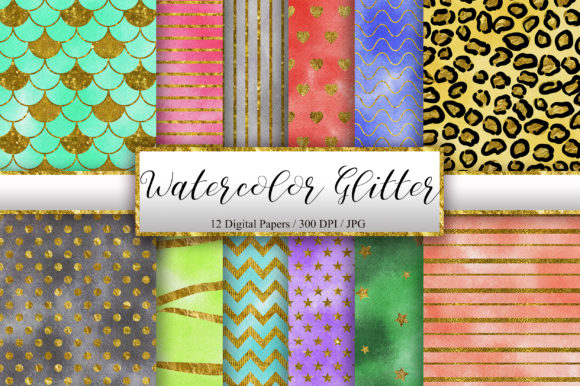
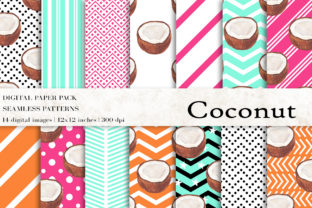
The moment I opened the preview of Watercolor Coconut Fruit Digital Papers, I felt a wave of warmth and creativity. The design carries a soft, painterly aesthetic that instantly evokes summer vibes and tropical getaways. It’s not just a pattern—it’s a mood. The watercolor texture adds depth and dimension, making it feel like a hand-painted illustration rather than a flat digital graphic.
As an embroidery designer, I immediately thought of how this could translate into a stitched design. The organic shapes and flowing lines suggest that it would work beautifully on items like tote bags, aprons, or even baby onesies. The theme is playful yet sophisticated, making it a versatile choice for both personal and small business embroidery projects.
Real-World Use: From Concept to Stitched Reality
I recently worked on a custom embroidered tote bag for a boutique client who wanted a unique beach-themed design. I considered using Watercolor Coconut Fruit Digital Papers as the base for the embroidery. The soft edges and flowing brushstrokes would lend themselves well to satin and fill stitches, especially when paired with a lightweight cotton or linen fabric.
In practice, this design would shine on a sweatshirt or kitchen towel, where the watercolor texture can be appreciated up close. For a baby item like a burp cloth or onesie, the gentle tones and whimsical fruit motifs would add a touch of charm without being overwhelming. I could also see it used effectively in holiday gifts like embroidered pillow covers or personalized tea towels—especially during the warmer months.
Commercial Potential: Etsy Listings and Craft Fair Appeal
If you're an Etsy seller or run a craft fair booth, this design could be a strong addition to your product lineup. The watercolor style has a modern, artistic appeal that resonates with buyers looking for handmade authenticity. When stitched cleanly on a tote bag or apron, it reads as high-quality and intentional—two things that elevate a handmade product in the eyes of customers.
It also works well as a digital embroidery file for creative entrepreneurs who sell design assets online. Since the layout is rich in texture but not overly complex, it can be adapted into multiple variations for different projects. For example, you could offer a set of tropical-themed digital papers with variations in color or layout, increasing the perceived value for buyers.
Where to Use It Carefully: Fabric and Fit Considerations
While Watercolor Coconut Fruit Digital Papers is visually striking, it does require thoughtful application. On textured fabrics like burlap or denim, the watercolor effect may get lost or distorted. Similarly, if used on stretchy fabric such as knit t-shirts, the soft edges might blur or pucker during stitching unless proper stabilizer is used.
Dark fabrics can also be tricky. The light, airy tones in the original design may not show up well without a white underlay or careful thread color selection. I’d recommend testing the design on a dark background before committing to a finished product. Also, avoid using it on curved surfaces like caps unless you're confident in your ability to adjust the hoop size and stitch density accordingly.
Stitching Clarity and Visual Appeal
One of the biggest concerns with watercolor-style embroidery is maintaining clarity after stitching. The soft gradients and overlapping colors in the digital design can sometimes become muddied when translated into thread. To avoid this, I recommend reviewing the stitch density and adjusting thread colors to preserve contrast.
When done right, the result is stunning. The design adds a touch of elegance to any product—whether it's a boutique sweatshirt or a personalized gift. It also contributes to brand consistency if you're building a line of tropical or summer-themed products. Customers will recognize the artistic style and associate it with quality craftsmanship.
Designer Notes: Practical Tips Before You Stitch
- Test on scrap fabric first to see how the watercolor texture translates into thread.
- Check thread color contrast—especially if using the design on dark fabric.
- Review stitch density to prevent the design from looking too sparse or too heavy.
- Confirm hoop size fits your machine and the intended product area.
- Inspect small details like fruit outlines or leaf veins to ensure they stitch clearly.
- Try black and white mockups to evaluate contrast and clarity before color choices.
- Compare light and dark fabric backgrounds to determine best use cases.
- Use proper stabilizer to prevent puckering, especially on stretchy or lightweight materials.
- Verify licensing terms before selling finished items or digital products.
Final Thoughts: A Versatile Design with Creative Potential
Watercolor Coconut Fruit Digital Papers is more than a digital pattern—it’s a design asset that can elevate your embroidery projects and handmade products. Whether you're creating custom apparel, embroidered patches, or printable mockups for digital product listings, this design brings a fresh, artistic touch that stands out.
As with any machine embroidery design, success comes down to thoughtful execution. But if you take the time to test and adapt it to your materials and project needs, you’ll end up with a finished product that feels professional, intentional, and marketable. For small shop owners, Etsy sellers, and creative entrepreneurs, that’s exactly the kind of value this design delivers.