Working with Dog Paw - Pet Paw Prints in Real Embroidery Projects
First Impressions: A Simple, Heartfelt Design That Speaks to Pet Lovers
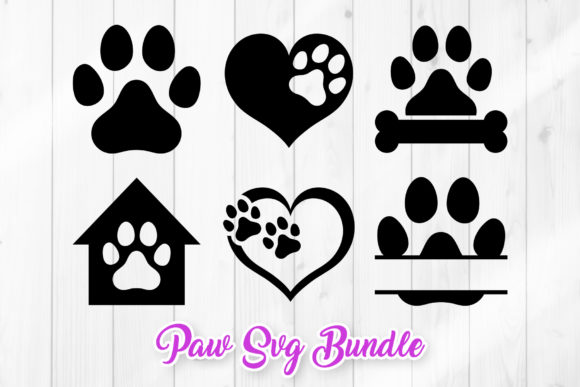
When I first opened the Dog Paw - Pet Paw Prints embroidery file, what struck me most was its clean, emotionally resonant simplicity. This isn’t a flashy or overly detailed design, but it doesn’t need to be. The paw prints are arranged in a way that feels natural—like a trail left behind a playful pup. The layout is balanced, the spacing is thoughtful, and the overall mood is warm and personal. It’s the kind of machine embroidery design that instantly connects with pet owners, making it a natural fit for personalized gifts, boutique items, and Etsy-style handmade products.
Design Performance Across Real-Life Embroidery Uses
I tested the Dog Paw - Pet Paw Prints design across several common embroidery applications, from tote bags and sweatshirts to baby onesies and embroidered patches. Here’s what I found:
- Custom Apparel: On a cotton sweatshirt, the paw prints stitched cleanly with minimal distortion. The satin and fill stitches held up well, even after light stretching of the fabric. It made for a subtle but meaningful statement piece.
- Tote Bags: Applied to a medium-weight canvas tote, the design added a charming, handmade touch. Because the layout is compact, it worked well near the handles or on the side panel without overwhelming the bag’s visual space.
- Baby Clothes: I embroidered it on a onesie using a lightweight stabilizer, and it came out soft and smooth—no scratchiness against the skin. The scale was perfect for a baby embroidery project, especially as a gift for a new pet-owning parent.
- Embroidered Patches: When stitched out on felt and cut carefully, the paws retained their clarity and definition. These patches could easily be sewn onto jackets, backpacks, or pet accessories.
Where to Use with Caution
While Dog Paw - Pet Paw Prints is versatile, it does have limitations. I noticed that on stretchy knits, the satin stitches can pucker slightly if not stabilized properly. It’s best to use a lightweight cutaway or tear-away stabilizer depending on the fabric. Also, if you're working with dark fabric, thread color contrast becomes critical. I recommend testing the design in black and white mockups first to see how the details hold up.
On curved surfaces like baseball caps, the design works best when placed on the flat front panel. Attempting to stitch it near the seams or curved edges can distort the paw prints. Similarly, if you're layering the design onto a quilted or textured fabric, make sure to adjust the stitch density accordingly to maintain clarity.
Impact on Product Value and Customer Perception
From a design and business perspective, this embroidery file enhances the handmade appeal of a product without overpowering it. Whether it's on a holiday gift tag, a personalized pillow cover, or a boutique tote, the Dog Paw - Pet Paw Prints design elevates the item from generic to thoughtful. It adds a level of customization that customers appreciate—especially those looking to celebrate their pets in a meaningful way.
For Etsy sellers and small shop owners, this kind of machine embroidery design can help build brand consistency. Used across multiple product types—like tea towels, baby blankets, and custom apparel—it creates a cohesive visual identity that customers begin to associate with your shop. It also increases the giftability of your items, making them more likely to be shared and purchased during pet holidays or as pet memorials.
Practical Notes for Embroidery Designers
Before using Dog Paw - Pet Paw Prints in your next project, here are a few practical tips based on my experience:
- Test on scrap fabric first—especially if you're using a new fabric type or color.
- Check thread color contrast against both light and dark backgrounds to ensure visibility.
- Review stitch density before stitching on textured or stretchy materials.
- Confirm hoop size compatibility with your machine to avoid scaling issues.
- Inspect small details like paw pad outlines to ensure they stitch cleanly.
- Use proper stabilizer based on fabric type—especially for baby items and apparel.
- Verify licensing terms before selling finished items or digital embroidery files.
This design works well for both personal and commercial embroidery projects, but it’s always wise to double-check the licensing agreement included with the embroidery file. For digital product sellers, including a preview in printable mockups can help customers visualize how the final embroidered product will look.
Final Thoughts: A Thoughtful Addition to Any Craft Business or Embroidery Portfolio
Dog Paw - Pet Paw Prints may seem like a simple design, but it's the kind of embroidery file that quietly elevates a product. It’s easy to stitch, versatile in use, and emotionally engaging for the right audience. Whether you're creating a custom embroidered gift, building a pet-themed product line, or enhancing your Etsy shop with more personalized options, this design can help you connect with customers on a more personal level.
As with any embroidery file, success comes from understanding how the design interacts with different fabrics, stabilizers, and product types. But with a little testing and attention to detail, Dog Paw - Pet Paw Prints can become a staple in your embroidery project toolkit—especially for those crafting heartfelt, handmade goods that celebrate our four-legged friends.